How a forex group scaled to $1.5M/month with the right payment processing partner
April 7, 2026
This is the second in a series of posts and interviews featuring business owners who count on Fibonatix to power their businesses.
Table of Contents
Results at a glance
- Client: Forex Companies Group (FCG)—a multi-brand forex group founded in 2014, employing over 450 people worldwide.
- Challenge: Securing stable, long-term payment processing across multiple forex brands in a sector where acquirer relationships are difficult to establish and harder to maintain.
- Outcome: Steady monthly revenues of approximately $1.5M reached shortly after launch, with 60% of transactions processed via credit card.
- Partnership length: FCG has used Fibonatix as its primary payment service provider (PSP) since 2016.
Company and individual names have been anonymised in accordance with our standard client confidentiality practice.
When M., the CEO of Forex Companies Group (FCG), decided to launch a new brand within his group, payment processing was not the first call on his list. Fibonatix was.
Not to set up an account. Not to run through onboarding. The business was still an idea. M. called because he wanted a frank conversation with people who understood the forex sector well enough to tell him what was commercially viable and what was not—before he committed.
That instinct speaks to something that established forex operators tend to learn the hard way: the PSP conversation should happen early. Payment processing in this sector is not a commodity function. Acquirer access, account stability, and the ability to manage disputes effectively all shape what a forex business can actually do at scale. Getting that foundation wrong is expensive.
FCG was founded in 2014 and has since grown into a multi-brand group with subsidiary companies across the forex industry, employing over 450 people worldwide. By 2016, despite working with a range of PSPs, M. and his team had settled on Fibonatix as their primary one. The reason was not rates or technology. It was people.
Automation has changed how payments infrastructure works, and largely for the better. But for M., the human element remains the variable that mainstream providers consistently underestimate. “I don’t think enough merchants value the people behind it all,” he says. When the operational problems that are routine in forex payment processing actually materialise (and they do), what matters is who picks up the phone and what they do next.
“When you have people who really care, who aren’t robots and take responsibility and initiative… it’s priceless.”

» Processing forex transactions in the UK or EEA? Explore Fibonatix’s forex merchant account solutions
Why forex payment processing is harder than it looks
For established forex brokers operating across the UK and EEA, finding and keeping reliable payment processing is a persistent operational problem, not a one-time setup task.
Most acquirers classify forex brokers as a “high-risk” category and apply stricter underwriting criteria as a result. FCA authorisation in the UK and MiFID II passporting across the EEA reduce regulatory risk, but they do not eliminate acquirer caution.
The underlying concern is chargeback exposure: retail forex clients who dispute losing trades generate dispute volumes that acquirers monitor closely, and accounts that breach scheme thresholds can be terminated with limited notice. Rolling reserves, where the acquirer holds back a percentage of processed funds as a security buffer, are standard practice in the sector, and the amounts involved can be substantial for brokers processing at scale.
The practical consequence is that forex businesses frequently cycle through PSPs, losing momentum and sometimes funds in the process. A PSP that understands how to manage acquirer relationships, present the merchant’s risk profile accurately, and intervene when problems arise is not a commodity. It is a genuine operational advantage.
That distinction became clear to M. early in FCG’s relationship with Fibonatix.
Early on in the two companies’ partnership, M. recalls getting a call from Fibonatix after one of his brand’s accounts was shut down, informing him that Fibonatix had managed to secure the $200,000 rolling reserve from the acquirer—no tricks or chasing involved. It’s a call he’s never forgotten. It was at that moment that Fibonatix’s sense of customer service, expertise, and integrity became clear, and it only deepened from there.
» Looking for a PSP with established acquirer relationships in the UK and EEA? See how Fibonatix supports forex brokers
Fibonatix had managed to secure the $200,000 rolling reserve from the acquirer
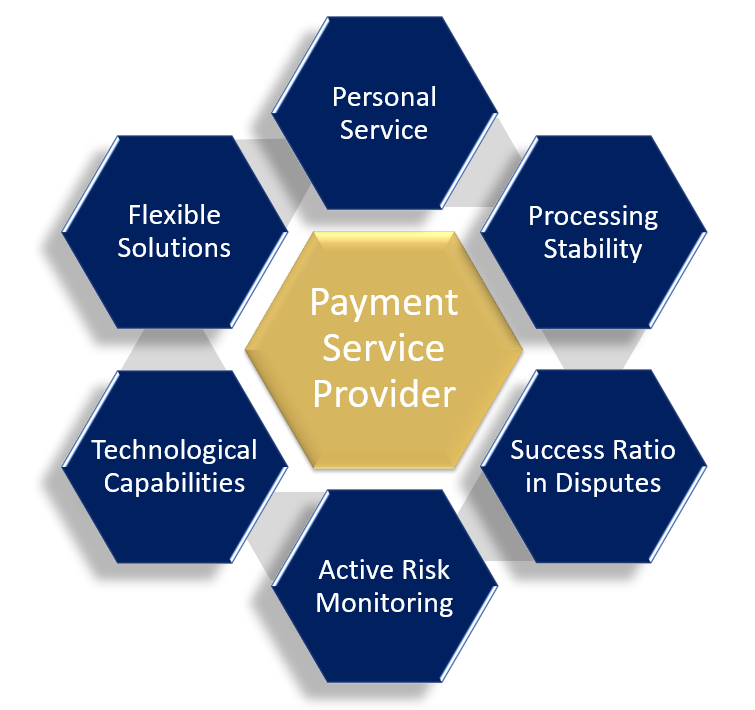
That combination has given M. the confidence to launch new businesses and verticals with Fibonatix time and again. “Fibonatix always manages to find a unique solution, a unique offering or acquirer that the competitors don’t,” M. shares, citing the quality, stability, high ratio of success in chargeback disputes, and the sense of security and confidence that he has encountered throughout the partnership.
Indeed, even before FCG was ready to launch the new business, Fibonatix had already identified the right acquirer and solution. Once it launched, it reached steady monthly revenues of approximately $1.5 million almost immediately, with 60% of transactions processed via credit card.
When it comes to launching new merchants and growing existing ones, the choice is straightforward for M.:
“I haven’t encountered the quality or integrity—both of people and solutions—that I’ve seen at Fibonatix, anywhere else.”
Disclaimer: Fibonatix is a UK-based, FCA-regulated payment service provider (FRN 768776) specialising in merchant accounts for B2C businesses globally, but B2B exclusively to the UK and EEA. Verify our regulatory status on the FCA Financial Services Register.
FAQs
What is a forex merchant account and why do forex brokers need a specialist payment provider?
A forex merchant account enables brokers to accept card payments and manage multi-currency transaction flows. Specialist providers are necessary because most acquirers apply stricter underwriting to forex businesses, and a generalist PSP will lack the acquirer relationships needed to secure and maintain a stable account.
How does chargeback management work for forex payment processing?
Clients dispute card deposits through their issuer, triggering a chargeback. The broker responds with evidence—KYC records, terms acceptance, transaction history. Breaching scheme dispute thresholds risks programme enrolment and account termination, so active monitoring by your PSP matters.
What should a forex broker look for in a UK payment service provider?
Established acquirer relationships in the forex sector, proactive account management, FCA regulation, multi-currency support, and a demonstrable track record in chargeback representment.
How long does it take to set up payment processing for a forex brokerage in the UK or EEA?
About 45–60 days. The bottleneck is underwriting, not integration. A specialist PSP with existing acquirer relationships will reach approval faster than a generalist by submitting a well-structured application to the right acquirer from the outset.